On now · The top-floor gallery
Made to Mend What a household fixed, and how many times
Four hundred repairs from one family’s house: riveted china, darned socks, boots soled four times, a teapot lid mended by two generations.
- When
- Until 1 March 2027
- Where
- The top-floor gallery
- Tickets
- Included with entry: £8, under-18s free
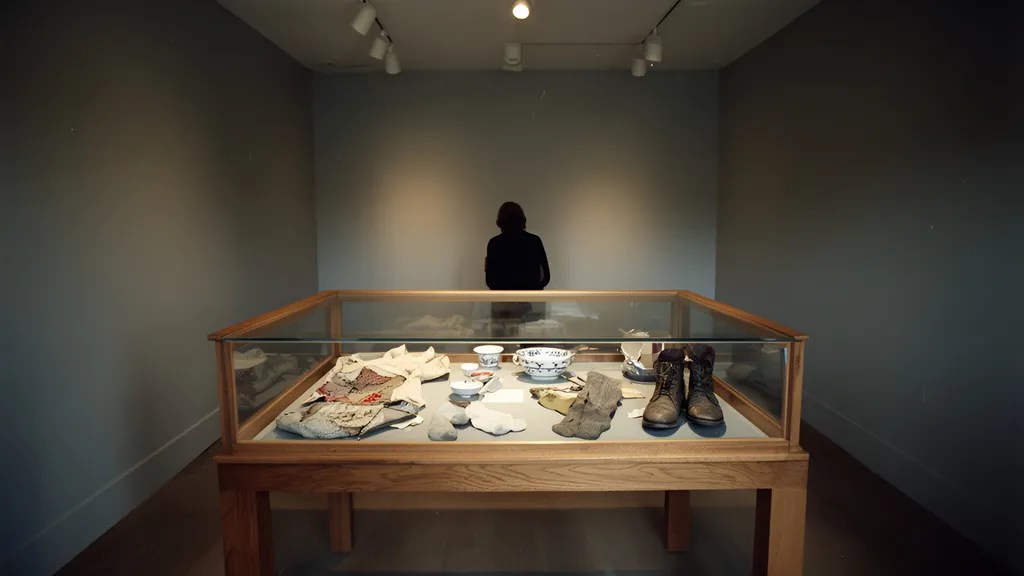
In the long case, mended.
Five of the four hundred and twelve repairs, each labelled with who made the thing, what it cost new and where it lies in the case.
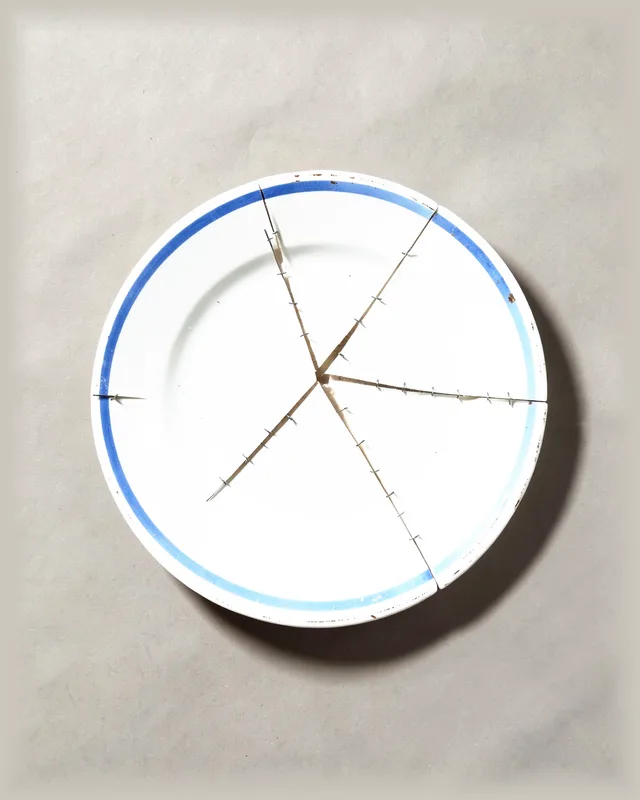
Dinner plate, riveted
Unknown pottery, Staffordshire, about 1900Made to Mend, in the long caseCost new: threepence; the mend, a penny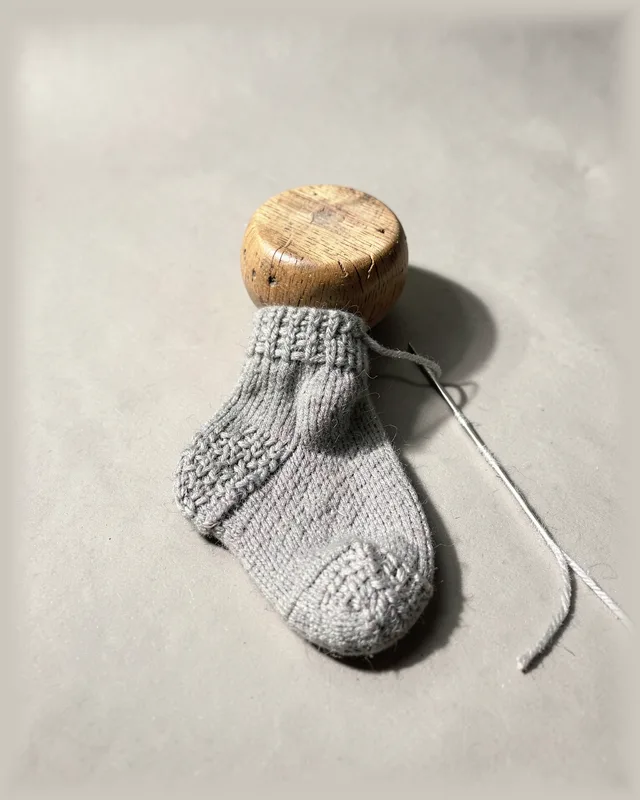
Darned sock on a mushroom
Ada Merrin, 1940sMade to Mend, in the long caseCost new: the mushroom: fourpence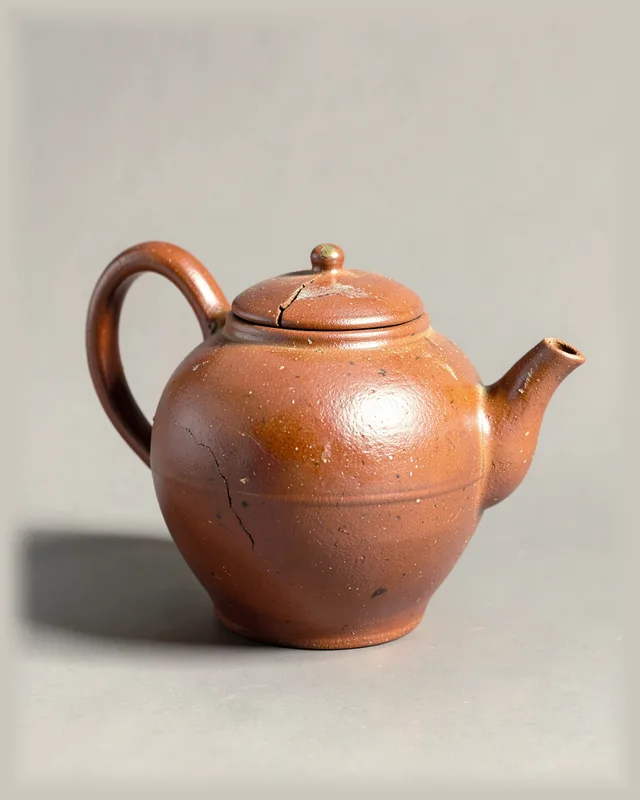
Brown teapot, mended lid
Unknown pottery, Staffordshire, about 1935Made to Mend, in the long caseCost new: tenpence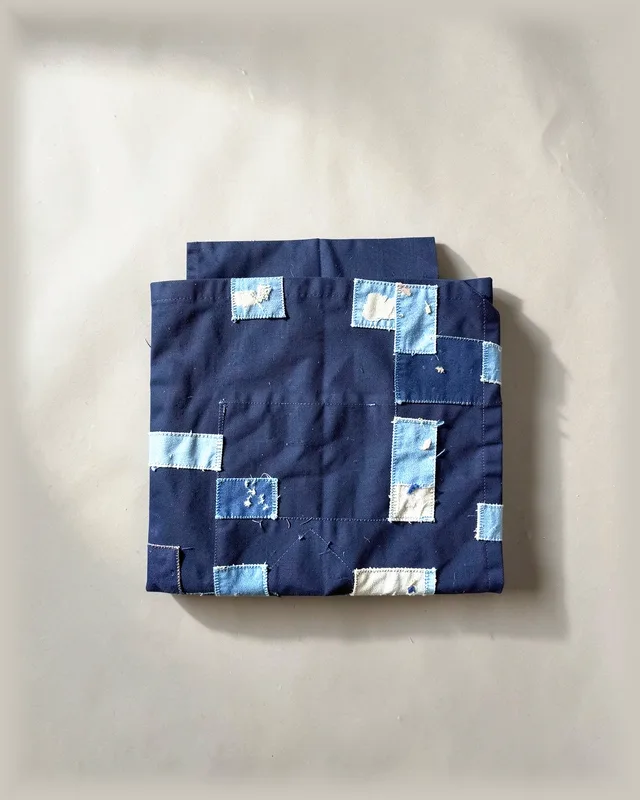
Work apron, patched
Sewn by Ada Merrin, 1930s to 1960sMade to Mend, folded at the end of the caseCost new: one and eleven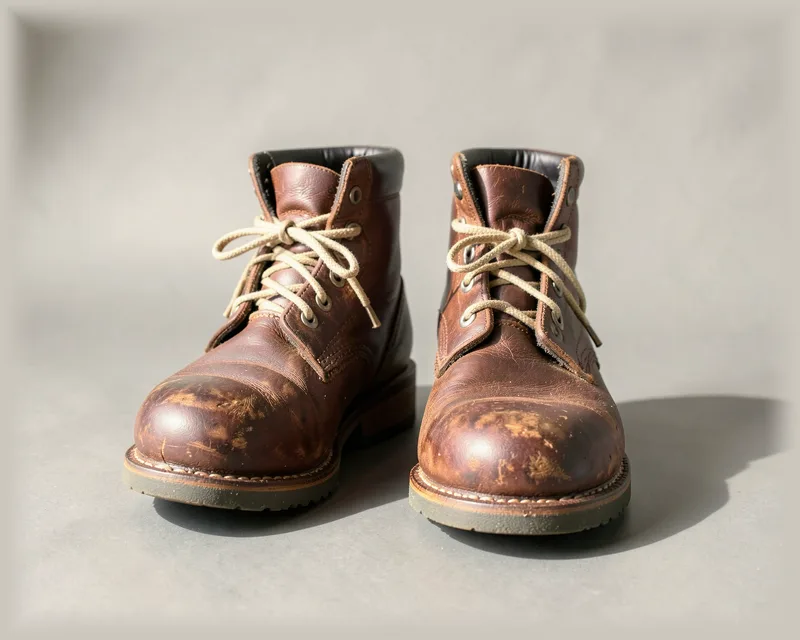
Work boots, resoled
Unknown bootmaker; repairs by the family, about 1935Made to Mend, beside the lastCost new: twelve shillingsWhen the Merrin house was cleared in 2009, the people sorting it kept finding the same thing. A teapot lid held on with a knife rivet. A sock darned in three greys. An apron that was more patch than apron. Almost nothing in the house was in the condition it had been sold in, and almost nothing had been thrown away.
Made to Mend is about those repairs. Not the objects, which are ordinary, but what was done to them, by whom and how often. Every label in the exhibition carries a second line, under what the thing cost new: what the mend cost, and who did it, when we know.
Mending was a skill, not a hobby
In a house where boots cost a week’s wages, mending was not thrift for its own sake. Everybody learned it. The cobbler’s last in the long case has three feet, for a man’s, a woman’s and a child’s shoe, and the child’s foot is the most worn. Ada Merrin darned on Sunday evenings. Her son Joseph riveted the teapot lid at sixteen, in the works, with a rivet meant for a knife handle.
Some repairs were paid for. A china mender came round the streets with a bow drill and a bag of staples, and the plate at the start of the exhibition shows his work: three pieces, eleven staples, and a mend that cost more than the plate.
The mend that wasn’t discussed
The teapot is the object people stop at longest. Its lid was riveted in 1953 and glued again in the 1970s, by someone who didn’t trust the rivet. We don’t know who. Nobody in the family remembered doing it, and nobody remembered it being done. Two generations mended the same lid without, as far as we can tell, ever mentioning it to each other.
That is most of what this exhibition is about. Repairs in a house like this were rarely talked about. They were done on a Sunday evening, or at the works bench on a Saturday, and then the thing went back on the shelf.
Bring something
On the second Saturday of each month Nell Carver runs a darning table in the gallery, with wool, needles and copies of Ada’s darning mushroom. Bring a sock. The exhibition ends on 1 March 2027.
From the curator
Why so many?
“I started counting repairs in 2019, meaning to find fifty. I stopped at four hundred and twelve, and there are drawers I haven’t opened.”

Imran SiddiquiCurator
Before you come.
Do I need a separate ticket?
No. The exhibition is included with entry to the galleries: £8, £6 concessions, free for under-18s and Friends.
How long does it take?
Most people spend forty minutes in the exhibition and another hour in the galleries. Your ticket lasts all day.
Can children come?
Yes, and they’re free. There is a family trail at the front desk, and the darning table on the second Saturday welcomes anyone over eight.
Can I take photographs?
Yes, without flash. Some objects are lent by families; where they’d rather not be photographed, the label says so.